What Is Projection Mapping?
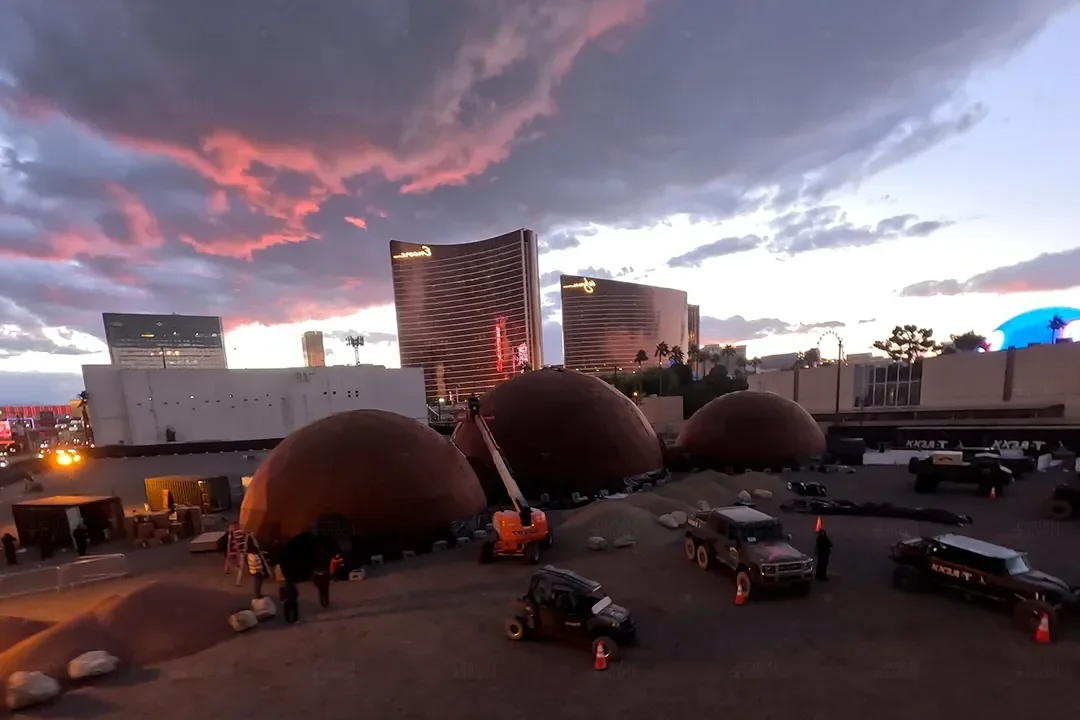
Lumen and Forge’s immersive domes can take audiences anywhere in the universe. Available in both geodesic and inflatable options, our dome venues are equipped with state-of-the-art projection systems and rock solid infrastructure. Each projection dome is tailored for unique occasions, ensuring a versatile platform for any event’s demands.
How It’s Done
Lorem Ipsum is simply dummy text of the printing and typesetting industry. Lorem Ipsum has been the industry's standard dummy text ever since the 1500s, when an unknown printer took a galley of type and scrambled it to make a type specimen book. It has survived not only five centuries, but also the leap into electronic typesetting, remaining essentially unchanged.
Take A Closer Look
A Deeper Look Into Projection Mapping
A Deeper Look Into Projection Mapping
Projection Mapping Capabilities & Applications
Lumen and Forge’s immersive domes can take audiences anywhere in the universe. Available in both geodesic and inflatable options, our dome venues are equipped with state-of-the-art projection systems and rock solid infrastructure. Each projection dome is tailored for unique occasions, ensuring a versatile platform for any event’s demands.
3D Projection Mapping
Projection Murals
4D Immersive Theater FX
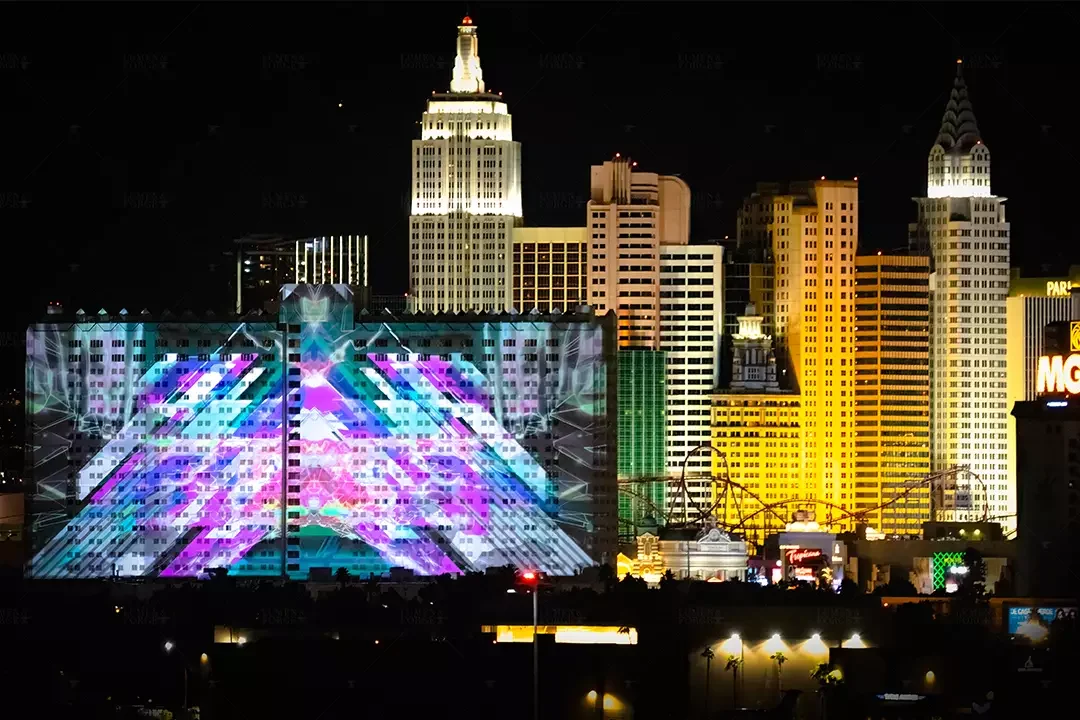
3D Architectural Mapping
Retail Installations
Sports Activations
Venue Activations
Event Mapping
Interactive Projection Systems
Real-Time Projection Tracking
Large-scale Projection Mapping
Auto-Calibration
Featured Projects
Lumen and Forge’s immersive domes can take audiences anywhere in the universe. Available in both geodesic and inflatable options, our dome venues are equipped with state-of-the-art projection systems and rock solid infrastructure. Each projection dome is tailored for unique occasions, ensuring a versatile platform for any event’s demands.
Projection Mapping FAQ
The Process:
- Surface Mapping: The process starts with creating a 3D model or outline of the surface to be projected on, ensuring the visuals align perfectly with its contours.
- Content Creation: Custom animations, videos, and graphics are designed to interact with the unique shape and texture of the surface, enhancing depth and realism.
- Projection Calibration: Projectors are strategically positioned and calibrated for angle, focus, and brightness to ensure seamless visual integration.
- Live Execution: The final projection is synchronized with audio, lighting, or live performances to create an immersive, multi-sensory experience.
Projection mapping is incredibly versatile and can transform almost any surface into a dynamic visual display. It can be applied to a wide range of environments, including:
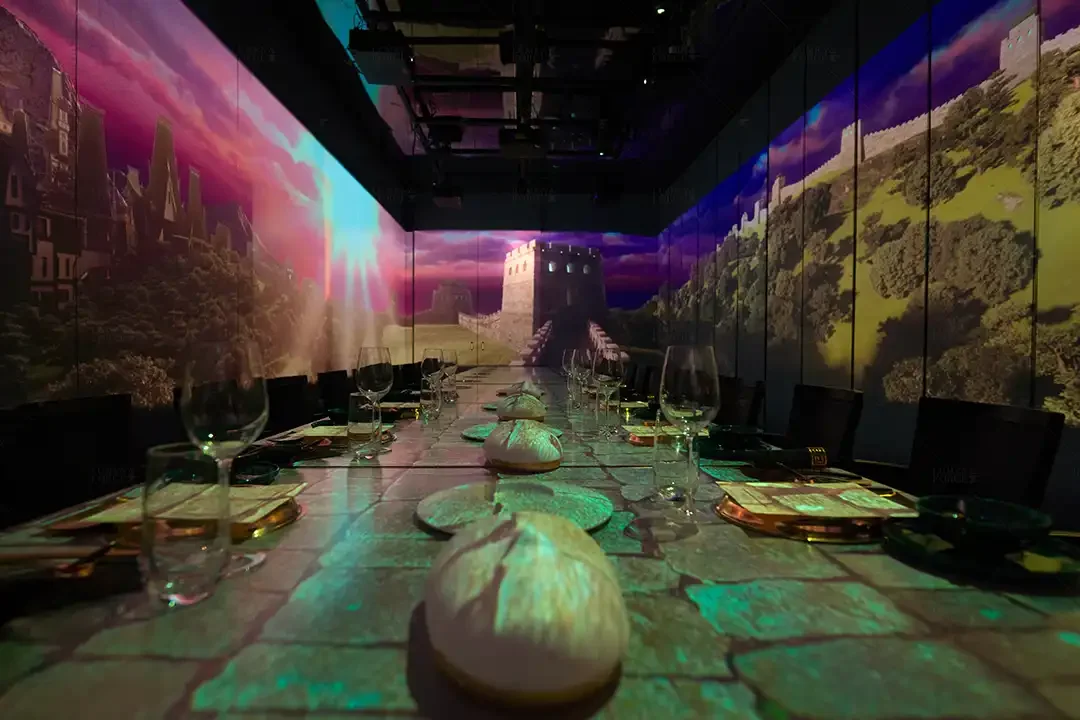
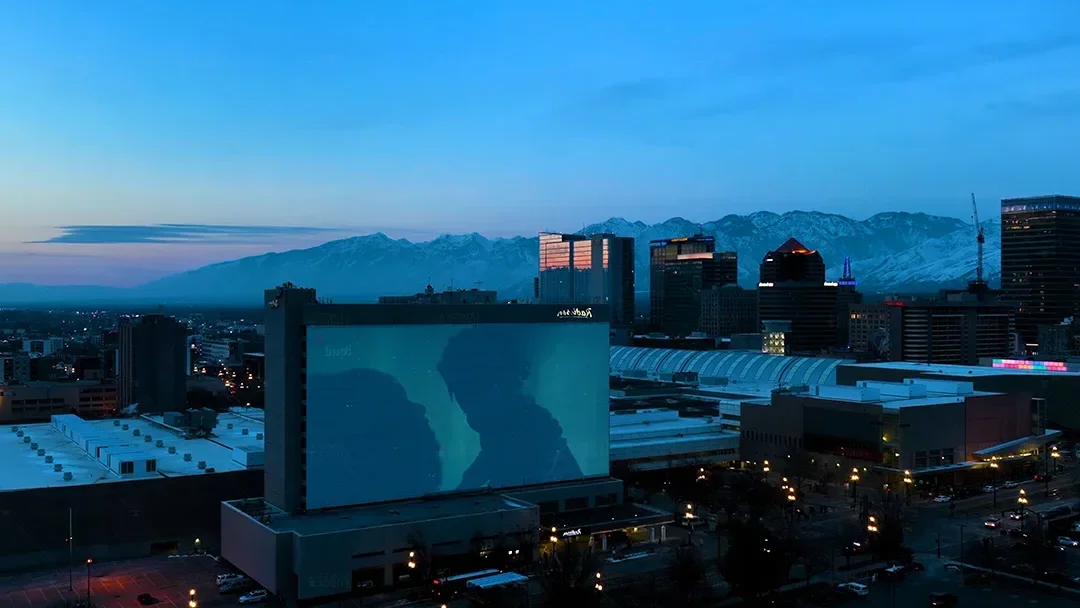
- Buildings & Architectural Facades: From skyscrapers to historic landmarks, large-scale projections turn architecture into immersive storytelling canvases.
- Stages & Theater Backdrops: Perfect for concerts, theatrical performances, and live shows, adding depth and motion to the stage.
- Vehicles & Moving Objects: Cars, trucks, and even drones can be mapped to create interactive brand experiences or product showcases.
- Domes & Curved Surfaces: Spherical and irregular shapes offer unique immersive opportunities, often used in planetariums, art installations, and branded domes.
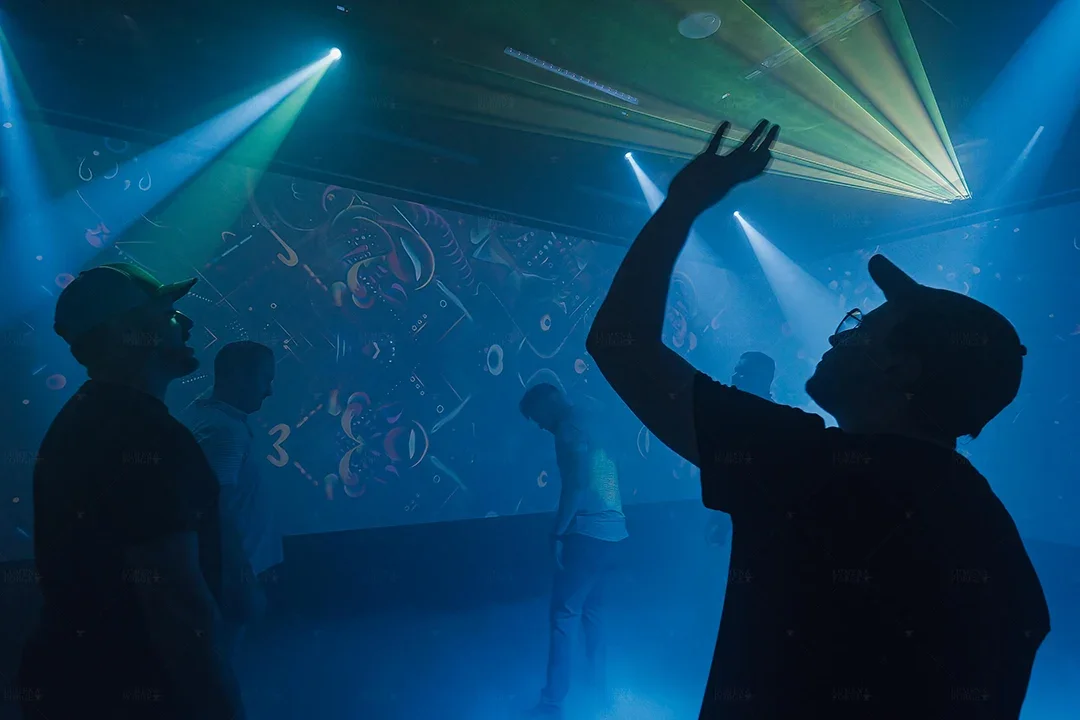
- Floors & Ceilings: Transform event spaces with dynamic floor and ceiling projections, ideal for dance floors, trade shows, and experiential exhibits.
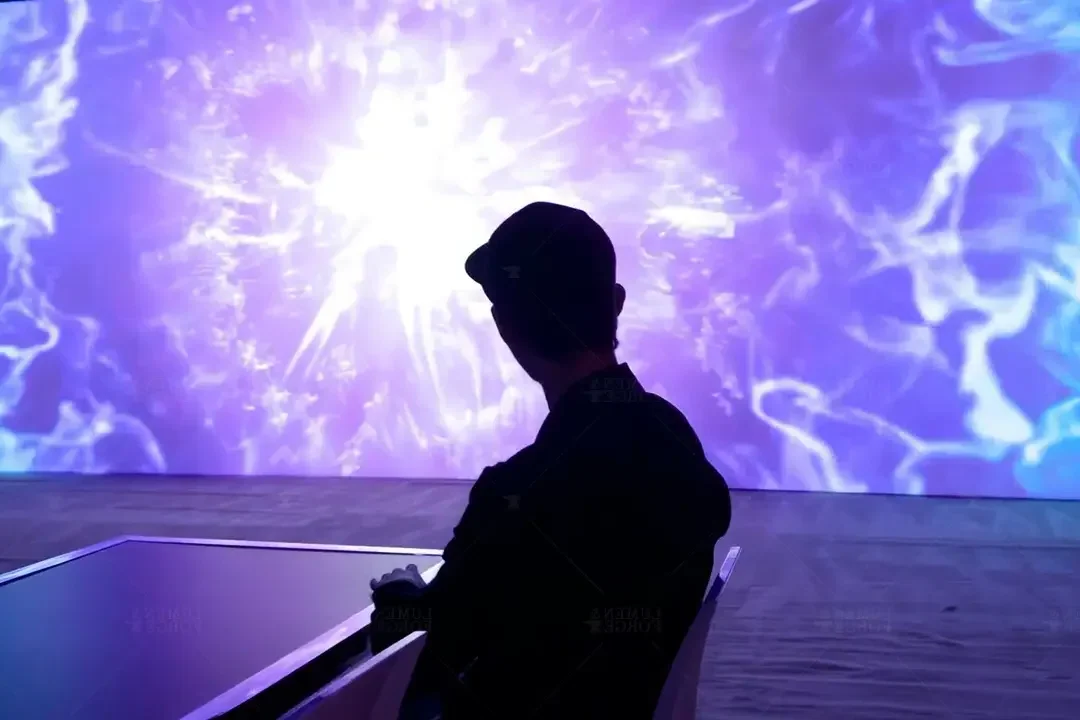
For 360-degree video projections, specialized mapping techniques allow seamless visuals to wrap around entire environments. Whether on spherical domes or full-room interiors, this technology surrounds viewers with content from all angles, delivering a truly immersive experience.
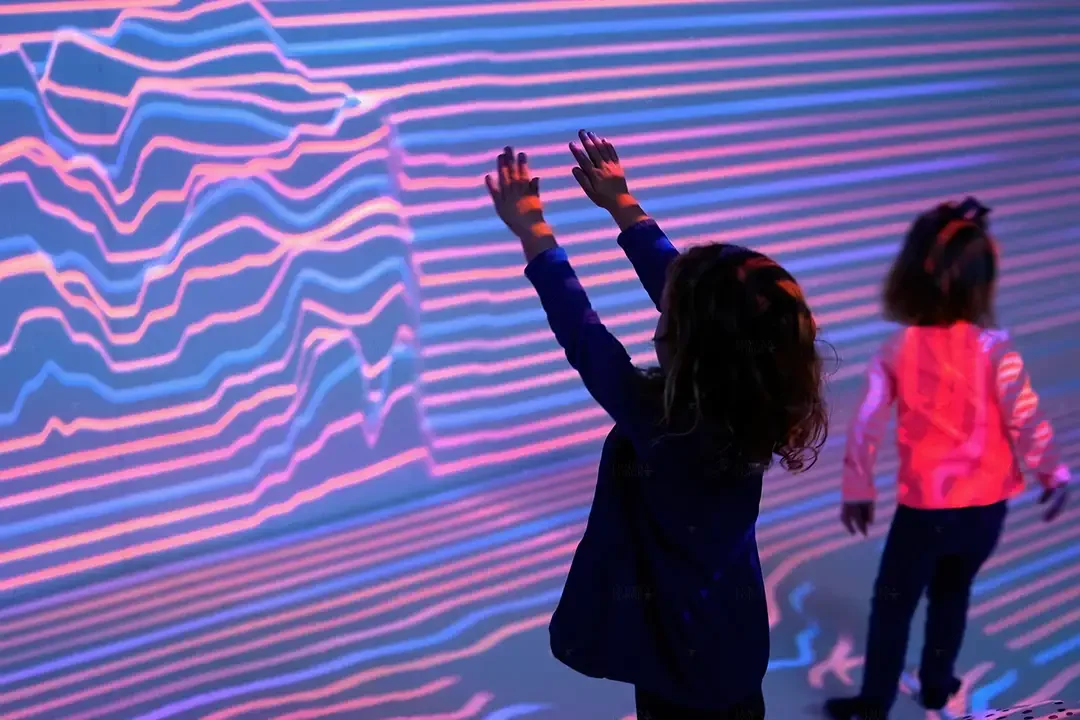
Standard projection mapping is designed for flat surfaces or simple shapes, aligning video content to a fixed plane.3D projection mapping, on the other hand, involves mapping content onto complex, three-dimensional objects, adjusting for depth, perspective, and texture to create ultra-realistic optical illusions.
Projection mapping is the process of projecting visuals onto any surface, including flat walls, 3D objects, and buildings.
360-degree projection, on the other hand, fully surrounds an audience in an immersive environment, often using domes or enclosed rooms. This creates a seamless visual experience without the need for VR headset
Projection mapping is a powerful tool, but it does have some constraints:
- Lighting conditions: Best viewed in low-light or dark environments, as bright ambient light can reduce visibility.
- Projection surfaces: Uneven, highly reflective, or transparent surfaces may require special adjustments or treatments.
- Setup complexity: Large-scale projects require careful planning, technical expertise, and advanced equipment.
Outdoor projection setups must be protected against wind, rain, and extreme temperatures. Our solutions include:
- Custom weatherproof enclosures for projectors and media servers.
- Proper ventilation systems to prevent overheating.
- Secure mounting structures to withstand wind and environmental conditions.

Do you have more questions?
Lorem Ipsum TextLorem Ipsum TextLorem Ipsum TextLorem Ipsum TextLorem Ipsum TextLorem Ipsum Text
Get In Touch
Get In Touch