test
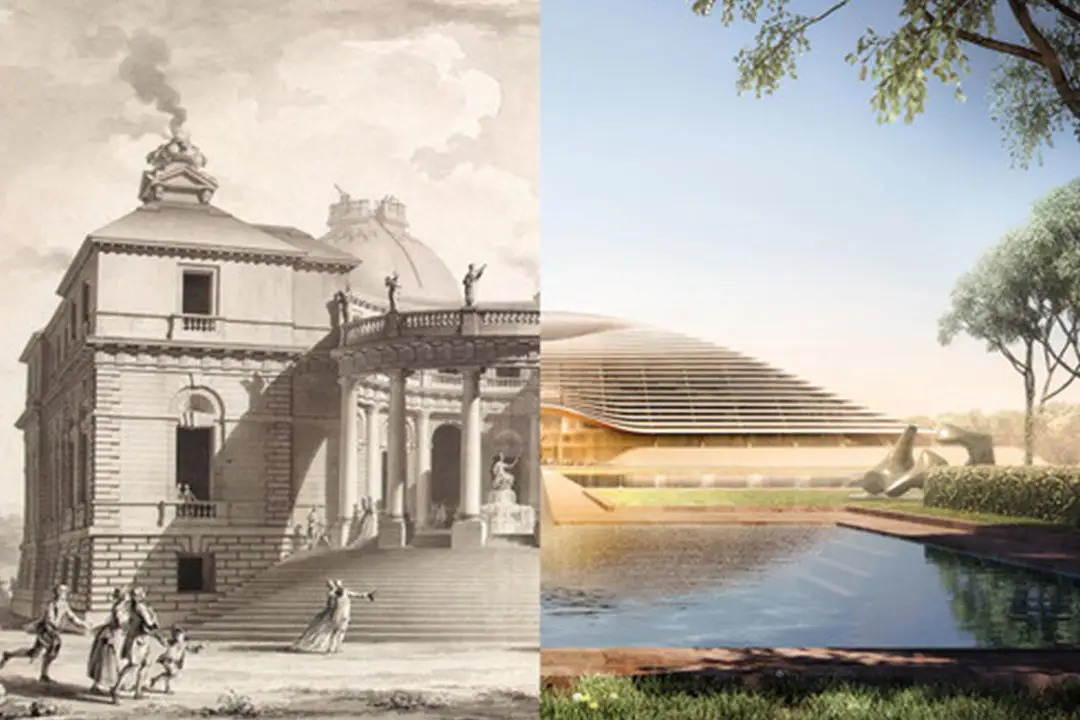
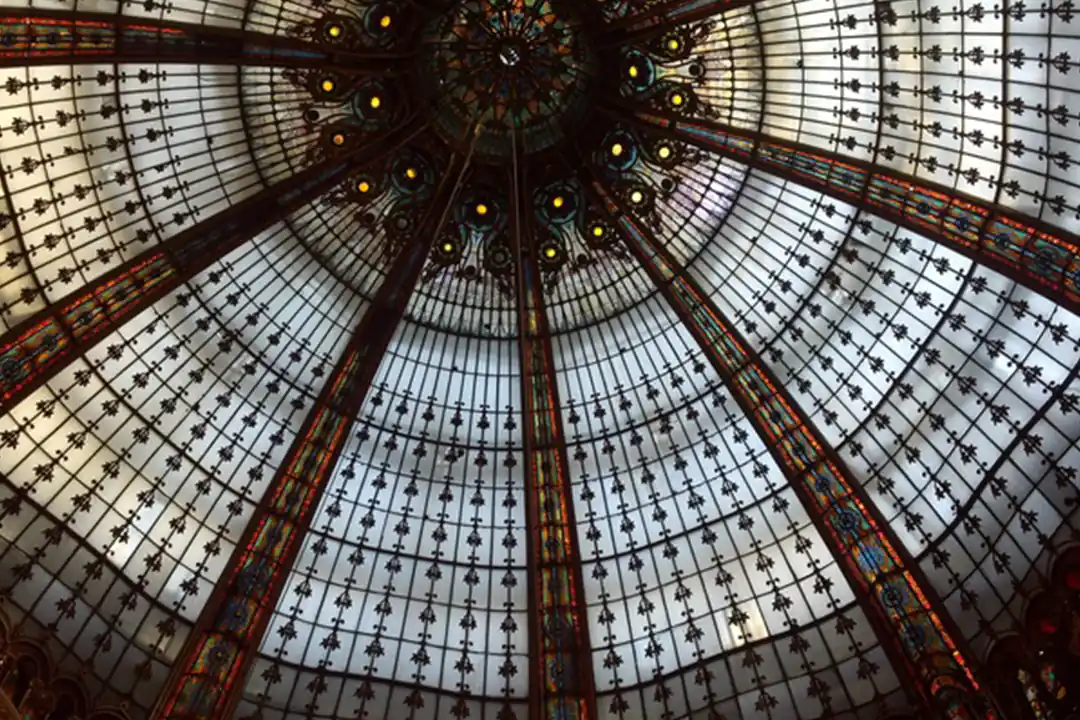

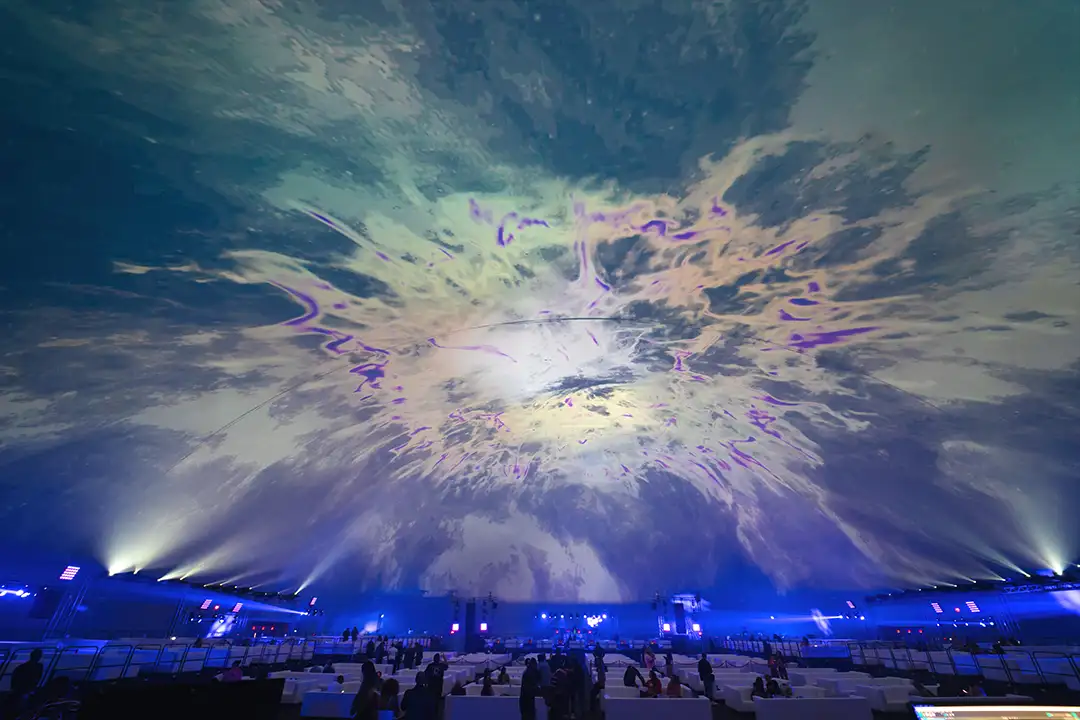
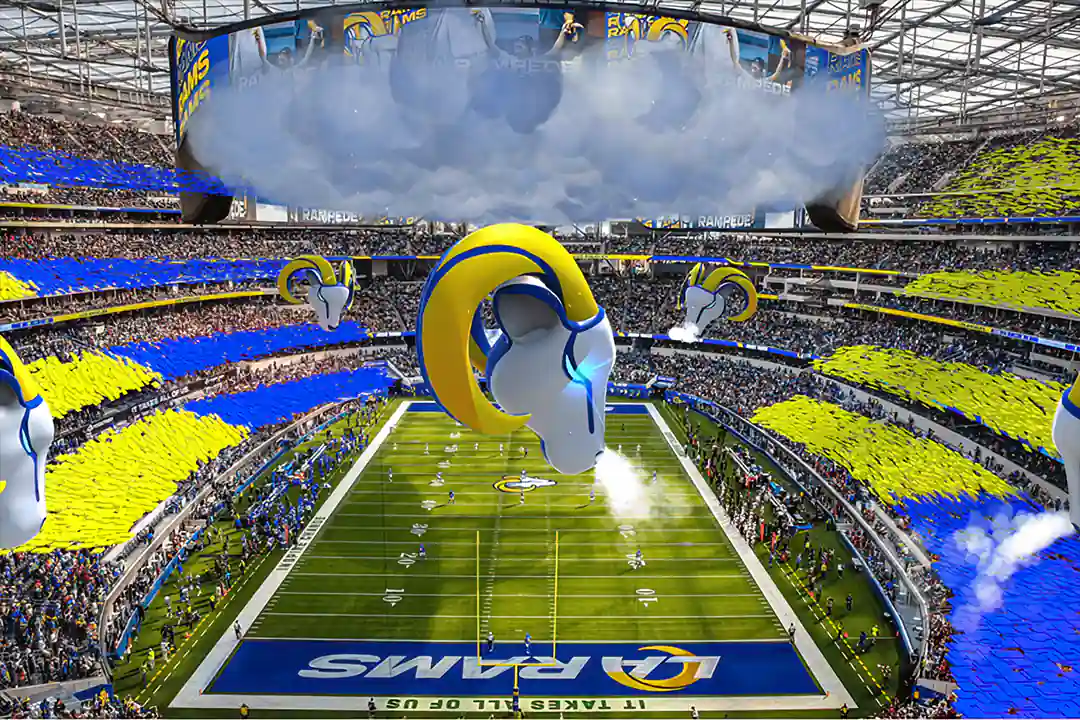
The history of 3D visualization didn’t start with the advent of computer-aided design, as you may think. When in fact, this technology has evolved for over a millennia. It’s true, humans have endeavored to create three-dimensional images and sculptures throughout history. The Ancient Greeks were some of the first to develop the techniques necessary for visualization in 3D, and their work has inspired artists and engineers for generations. In recent times, three-dimensional visualization has become an essential tool for many professions. Thanks to technological advances, it is now possible to create realistic 3D models with just a few clicks of a mouse. This article provides a brief history of 3D visualization and explores its many applications.
Early Works of Leonardo da Vinci
3D Architectural Render
Early History of 3D Visualization
We have all heard of Leonardo da Vinci, often cited as the ideal ‘Renaissance Man,’ a master of science and art. Vinci was a polymath and a visionary artist, with a skill set unmatched by most throughout history. His prolific work is elementary to any artist that wishes to create mathematically accurate interpretations of the real world. But Leonardo was not the only polymath of the Renaissance. Filippo Brunelleschi has every right to be acclaimed not only as a Renaissance Man but as the ‘father’ of visualization in three dimensions and design.
Born in Florence in 1377, Brunelleschi was an architect, designer, and sculptor. Now, he is now also recognized as the first modern engineer, planner, and construction Project Manager. It was the combination of all of these skills and his myriad interests that led him to successfully portray in two dimensions how our eyes perceive the three-dimensional reality in which we live. He developed the principles of linear perspective, which revolutionized art and opened the way for naturalistic portrayals of nature.
Simply put, linear perspective is an art form that illustrates the effect of an object becoming smaller as the distance to the viewer increases. Before Filippo, it was uncommon to see a realistic expression of the relative experience of distance between objects. At least in a way that was uniform throughout the image giving the observer the ability to suspend their imagination and see precisely what the creator intended.
But Brunelleschi took perspective further; it wasn’t just a technique for artists. It was a tool that could be used to create real-world architecture, to enable engineers and builders, and planners to see in two dimensions what their three-dimensional concept would look like from multiple angles. It was, in the 15th century, what 3D computer rendering and design is in 2022.
How to Choose the Right Projector for Your Immersive Installation
Projection Mapping
October 08, 2025
{"article_title":"Choosing Projectors for Immersive Spaces","author_organization":"Lumen and Forge","summary":"A comprehensive guide on matching...
Blending Multiple Projectors: Creating Seamless Large-Scale Visuals
Projection Mapping
October 02, 2025
{"article":{"title":"Edge Blending: Creating Seamless Immersive Canvases","meta":{"author":"Lumen and Forge","topic":"Projection...
Projection Lenses Explained: Fixed, Variable, and Custom Optics for Unique Spaces
Projection Mapping
September 25, 2025
...

HD, WUXGA, or 4K Projectors For The Best Immersive Experience: Which Is The Better Option?
Projection Mapping
September 09, 2025
{"article":{"title":"HD vs. WUXGA vs. 4K: Choosing the Best Projector Resolution for Immersive Experiences","meta":{"author":"Lumen and...
Interactive Trade Show Booth Ideas That Attract and Engage Attendees
Immersive Experiences
July 25, 2025
...
Get In Touch
Get In Touch