How IMAX 3D Works


HOW DOES IMAX 3D WORK?
IMAX 3D is one of the world’s most popular and well-known cinematic experiences, but how does IMAX 3D work? And what’s so special about it? In this post, we’ll explore the history of IMAX, the technology behind IMAX 3D and why it’s so captivating. Stay with us, and you’ll be an expert on all things IMax in no time!

"Interstellar" Film Set
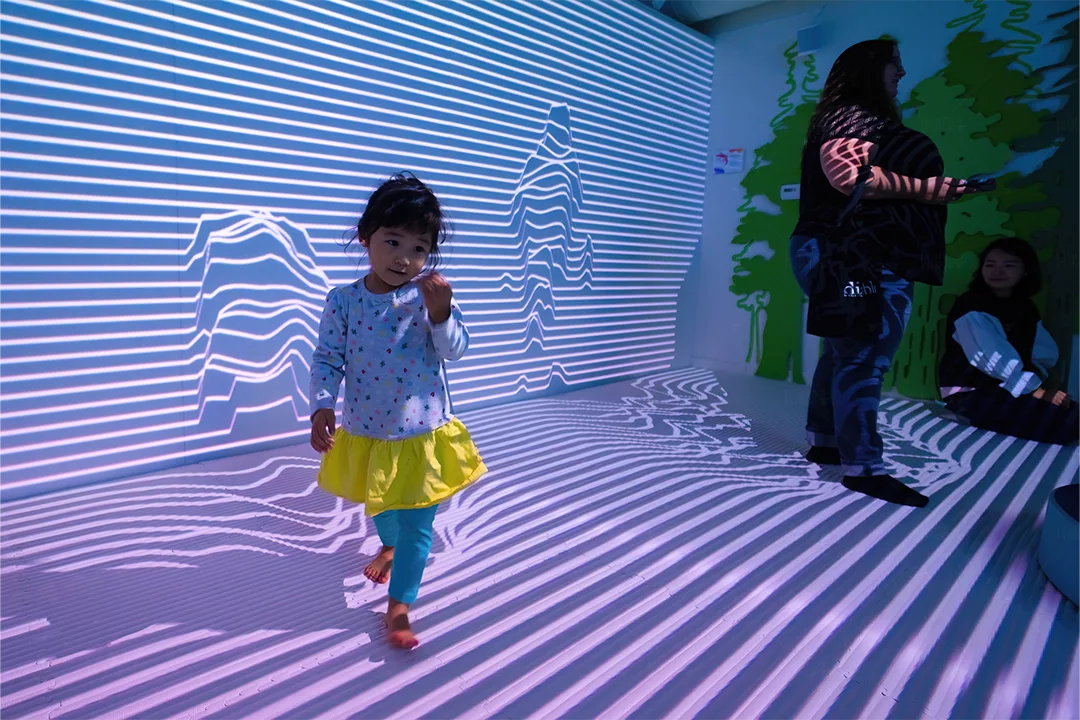
Terrence Malik’s “Voyage of Time”
THE HISTORY OF IMAX
IMAX movies have been wowing movie lovers and docu-connoisseurs since it was invented for EXPO ‘67 by a small group of Canadian experiential filmmakers in Montreal. Created to win a competition to create the largest screen for films, the masterminds behind IMAX used 9 projectors to create the first-ever IMAX experience. The screen was a huge feat that pushed the limits of the available technology in the 1960s.
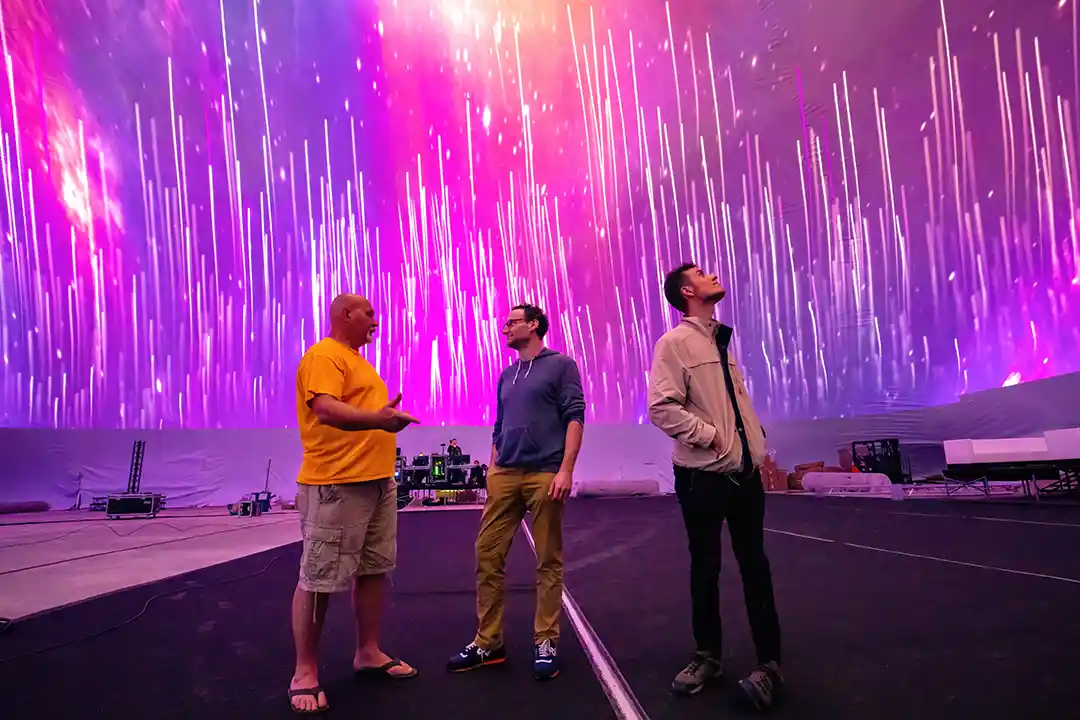
After 3 years of innovation, the groundbreaking tech was given the name IMAX, which stands for “image maximum,” and premiered at the Fuji Pavilion at EXPO ‘70 in Japan with its extraordinary camera, projector, and domed screen system. Little did they know, IMAX was on its way to becoming a huge success that would awe viewers with some of the most immersive and breathtaking cinematic experiences for many years to come.
The larger-than-life domed screen and projection system required a very specific theater which was usually housed in museums, science centers, and esteemed commercial locations. The first permanent location for an IMAX theater was at Ontario Place’s Cinesphere in Toronto, where it has remained in operation since 1971. As time passed, more IMAX theaters began to pop up around the globe, mainly showcasing films about history or nature, such as a deep sea exploration or soaring over the Grand Canyon.
There was no stopping the limits of this innovative theatrical marvel; as technology continued to advance, so did IMAX with the introduction of the IMAX dome and IMAX 3D. The company went public in 1994, which saw the rapid growth potential of turning it into a new way for Hollywood to release films. For this reason, the company decided to invest in IMAX-capable theaters across North America, which brought a massive hurdle: Hollywood could not produce enough content, and the theaters couldn’t fill the movie time slots. But how would they solve this issue?


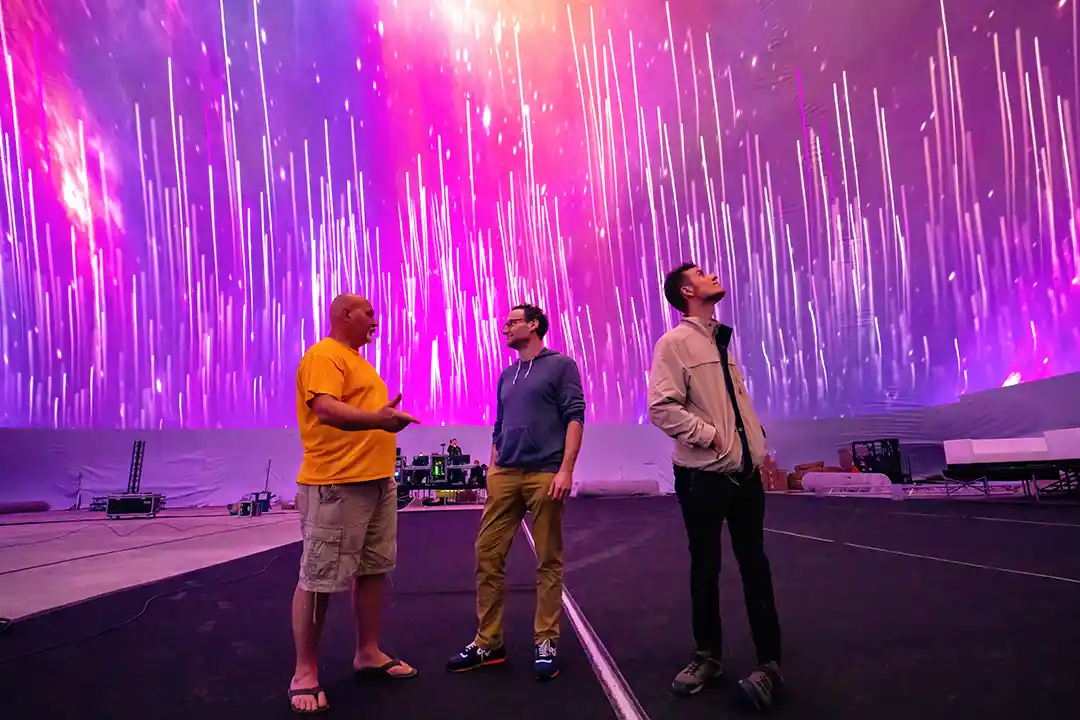
How to Choose the Right Projector for Your Immersive Installation
Projection Mapping
October 08, 2025
{"article_title":"Choosing Projectors for Immersive Spaces","author_organization":"Lumen and Forge","summary":"A comprehensive guide on matching...
Blending Multiple Projectors: Creating Seamless Large-Scale Visuals
Projection Mapping
October 02, 2025
{"article":{"title":"Edge Blending: Creating Seamless Immersive Canvases","meta":{"author":"Lumen and Forge","topic":"Projection...
Projection Lenses Explained: Fixed, Variable, and Custom Optics for Unique Spaces
Projection Mapping
September 25, 2025
...

HD, WUXGA, or 4K Projectors For The Best Immersive Experience: Which Is The Better Option?
Projection Mapping
September 09, 2025
{"article":{"title":"HD vs. WUXGA vs. 4K: Choosing the Best Projector Resolution for Immersive Experiences","meta":{"author":"Lumen and...
Get In Touch
Get In Touch